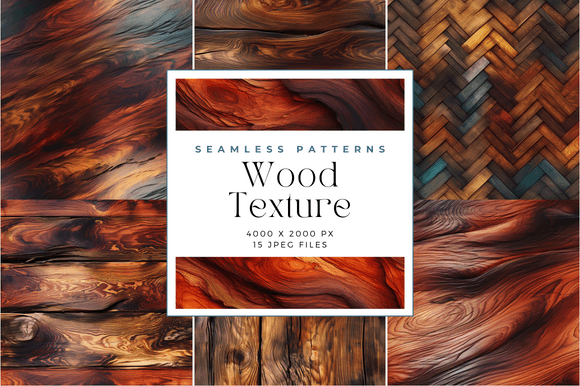
Wood Texture Seamless Patterns
When it comes to adding texture and depth to your design projects, Wood Texture Seamless Patterns offer a unique blend of organic warmth and visual interest. These patterns are crafted to seamlessly repeat across surfaces, making them ideal for backgrounds, borders, and decorative elements. Their natural grain and subtle variations create a tactile feel that can elevate both digital and print-based work. Whether you're designing for a brand, creating social media graphics, or working on a personal project, these textures provide a versatile foundation that enhances the overall aesthetic.
The Beauty of Wood Texture Seamless Patterns
Wood Texture Seamless Patterns are more than just background elements—they’re a visual storytelling tool. The patterns feature the rich, varied grain of real wood, which adds character and authenticity to any design. Unlike flat colors or simple geometric shapes, these textures invite the eye to explore, offering a sense of movement and depth. They can be used as a base layer in layouts, providing a warm and inviting backdrop that complements other design elements.
These patterns are designed with seamless repetition in mind, ensuring they can be scaled and repeated without visible seams. This makes them perfect for large-format prints, such as banners, posters, and packaging designs. The versatility of Wood Texture Seamless Patterns allows them to adapt to different creative needs, from editorial spreads to branding materials.
Where to Use Wood Texture Seamless Patterns
From web design to packaging design, Wood Texture Seamless Patterns find their place in a wide range of applications. In branding, they can serve as a subtle yet impactful element in logos, stationery, and promotional materials. For social media graphics, they add a natural, earthy vibe that resonates with eco-conscious audiences. In editorial design, they can be used as background layers in magazine layouts or blog posts, enhancing readability while maintaining visual appeal.
In creative font design, these textures can be integrated into type treatments, giving text a handcrafted, artisanal feel. They also work well in logo design, where they can be used to create a sense of authenticity and craftsmanship. For packaging design, they bring a tactile quality to product boxes, helping to differentiate your brand in a competitive market.
How Wood Texture Seamless Patterns Influence Design
Using Wood Texture Seamless Patterns can significantly impact how your audience perceives your brand. The organic nature of these textures conveys warmth, reliability, and a connection to nature. This can be particularly effective in industries like wellness, sustainability, and lifestyle branding.
These patterns also play a role in visual hierarchy. When used as a background, they can help guide the viewer’s attention toward key elements, such as headlines or call-to-action buttons. In typography, they can enhance readability by providing contrast against text, especially when paired with high-contrast fonts.
For brand identity, consistency is key. Using Wood Texture Seamless Patterns across all touchpoints—website, social media, print materials—can reinforce brand recognition and create a cohesive visual language. This consistency helps build trust and familiarity with your audience.
Choosing the Right Pattern for Your Project
Before selecting a Wood Texture Seamless Pattern, consider the purpose and context of your project. A pattern with fine grain may be more suitable for delicate designs, while a coarser texture could work better for bold, statement-oriented visuals. It's also important to test how the pattern interacts with other design elements, such as color schemes and typography.
When evaluating font pairings, ensure that the texture complements rather than overwhelms the text. A sans serif font might pair well with a smooth, even wood texture, while a script font could benefit from a more textured, irregular pattern. Always review the included styles and formats to ensure compatibility with your design software and intended use cases.
For commercial projects, check licensing details to confirm that the pattern can be used for both personal and professional purposes. Many Wood Texture Seamless Patterns come with commercial licenses, allowing you to use them in print, web, and digital media without restrictions.
Practical Tips for Using Wood Texture Seamless Patterns
- Test scalability: Ensure the pattern looks good at different sizes, especially if it will be used in large-format prints.
- Consider contrast: Pair the pattern with colors that complement its natural tones to avoid overwhelming the design.
- Use in layers: Apply the pattern as a background layer beneath other design elements to maintain visual balance.
- Experiment with transparency: Adjust opacity levels to create depth and dimension in your compositions.
- Review for readability: Make sure the pattern doesn’t interfere with legibility, especially when used behind text.
By thoughtfully integrating Wood Texture Seamless Patterns into your workflow, you can create designs that are not only visually appealing but also emotionally resonant. These textures offer a unique way to add personality and depth to your projects, helping you stand out in a crowded design landscape.